
Challenging Misconceptions and Raising Awareness: Spotlight on the Family Medicine Club
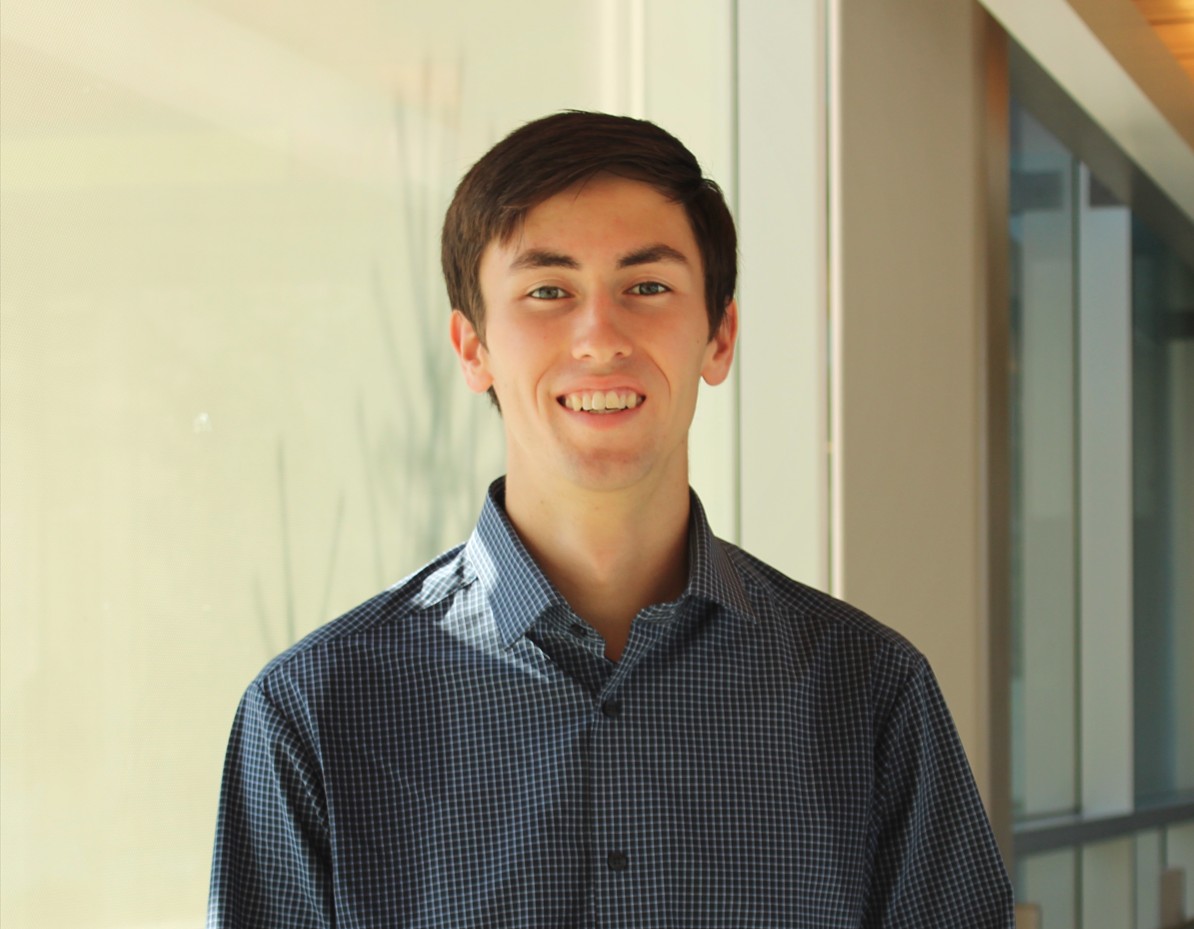
Medical doctor (MD) student Daniel Clark (he/him), co-president of the Family Medicine Club, speaks about the group’s initiatives and future, sharing his thoughts on the family medicine scene within Canada and challenging myths about practice.
By Wren MynhardtThe Family Medicine Club is one of the MD student groups within the Student Medical Society of Saskatchewan (SMSS). Their objective is straightforward: to raise awareness of what family medicine entails, and pique interest in future practitioners. “[Our goal] is informing people and perhaps providing them a greater appreciation of the scope of practice within family medicine,” said Daniel Clark, second-year MD student and co-president of the Family Medicine Club.
“I got to know about the Family Medicine Club during the [SMSS] clubs fair,” he shared. “I was always interested in family medicine… I became one of the first-year representatives. Then I was one of the co-presidents this year.”
While awareness is key in the club’s initiatives, significant work is being done to help MD students understand the value and impact of family medicine. “We think it's a great fulfilling career,” said Clark. “So that's something that we try to promote…As someone who has seen and experienced firsthand the impact of family medicine doctors in a small rural community, [family doctors] definitely can be pillars of the community. It's very important work.”
A large part of promoting family medicine is challenging myths and misconceptions related to the field, something in which Clark takes particular interest. “Oftentimes people have a very narrow focus on what family medicine is,” said Clark. “[They think] you're in a clinic seven or five days a week, and you're doing what people would call traditional family medicine. So chronic disease management or baby wellness checkups or renewing prescriptions. Of course that's a significant aspect, but family medicine is much more than that as well.”
In order to help expand on what students understand family medicine practice to be, Clark assisted in creating a speaker series during his term as co-president. These sessions brought in doctors to talk about their experiences in practice and what one can do in family medicine.
“One of the first ones that we did was [have] family docs either that work urban or also one that partially works in a rural community, just come in to share what family medicine looks like for them,” said Clark. “So what are their day-to-day activities? What's their scope of practice? What drew them into family medicine and why they find that meaningful.”
Guests speakers also answered questions MD students brought forward. Topics ranged from compensation, how AI is transforming family medicine, and other recent developments within the practice.
“We also had other family doctors come in who have additional training,” said Clark. “Such as an additional year of anesthesia training or enhanced surgical skills…They shared what that additional year of training looks like, what's their scope of practice, and then differentiated it from family medicine without additional training and a five-year Royal College specialty.”
These talks on expanded practice included obstetrical skills, emergency medicine, and palliative care. “We had a doctor who came in and presented on labor and delivery, and what you can do with the regular two-year family medicine residency. We [also] did a collaboration with the emergency medicine club to talk about the plus one training in emergency medicine and what that entails compared to a five-year Royal College emergency residency. And then they also talked about family doctors, especially in rural communities, who work in emergency departments without additional training and how exciting that is.”
Reflecting on the session regarding palliative care, Clark shared, “I think that kind of highlighted more of the human elements of family medicine, about getting to know people. Because [the speaker] worked as a rural family doc, he got to know people in longitudinal relationships.”
Part of what the Family Medicine Club does is collaborate with the Department of Family Medicine within the College of Medicine. Events include the Launch FM, and a skills night. Thinking of the Launch FM event, Clark said, “Students from Regina and Saskatoon come together at one of the two locations, and there's a full day event where you do various procedural skills. So like sutures, IUDs, naloxone and addictions medicine, things like that…from what I've heard from people in our club and other people in the class, they really enjoy that.”
Clark’s favourite memory and accomplishment with the club to date was the speaker series. He remarked, “There's lots of talks to highlight the scope of practice, what additional training can involve, and also the procedural aspects of family medicine and what you can do in that…so people get more excited about family medicine.”
Looking ahead to the future of the Family Medicine Club, Clark shared what he’s hoping to see under the direction of incoming leadership. “I do have a few ideas. One that I was thinking more about was presenting on myths and misconceptions of family medicine, like debunking myths on finances and scope of practice. There are lots of other myths like how family doctors have tons of paperwork too.”
He went on to say, “Personally, I find the future of the family medicine environment exciting…[I’ve] joined a few SMA [Saskatchewan Medical Association] family medicine board meetings. We give them an update on what's happening with our club, and we can also hear what's happening in the SMA. [There are] a few things I find exciting which I wish more students knew about. One is the Saskatchewan Innovation Fund and more team-based care…and then also the transitional payment model.”
When discussing why there may be less MD students initially less interested in family medicine, Clark shared that it is something he has looked into: “I was doing some previous research related to medicine and society, one of our classes. One of the articles that I actually read showed that over 90% of hospital colleagues and other health professionals perceived the professional status and qualifications of family doctors were inferior to those of hospital consultants.”
He continued to share, “Personally, I've somewhat experienced this myself in that people ask me ‘what do you want to pursue?’ And this isn't universal, but sometimes when I say I want to go into family medicine, they're like ‘oh, so you just want to go into family medicine?’ And the implication is perhaps those who are more skilled or better go into a specialty, and that specialties are much better than general practice.”
At the end of our interview, Clark shared his final thoughts on family medicine within Canada and the impact of the Family Medicine Club. “We're short on family doctors… one in five Canadians don’t have a family doctor. I was actually looking at the 2025 CaRMS match results just to see how many people are actually pursuing family medicine. Only a third of the Canadian medical graduates matched into a family medicine residency site…[and] I think 20% didn’t choose family medicine as their first choice.”
“Personally, that kind of sobers me,” said Clark. “I'm like, ‘oh, shucks, why are people not pursuing family medicine?’ And it kind of makes me more excited about the Family Medicine Club because it hopefully encourages a few more people to consider family medicine as a fulfilling career. I think providing more education and conversations about perhaps sensitive topics such as income helps inform students and provides them more information so that they can pursue a career that they find meaningful.”
For those interested in joining the Family Medicine Club, the Student Medical Society of Saskatchewan (SMSS) hosts a clubs fair each September. Representatives from the Family Medicine Club will be present to provide more information about the group and how to join.