

Dr. Shanna Fenton: Advancing Primary Care in Saskatchewan
After accepting the role of Provincial Physician Lead – Primary Health Care with the Saskatchewan Health Authority, Dr. Shanna Fenton is helping shape the future of primary care in Saskatchewan.
By Spencer BomboirWhen Dr. Shanna Fenton talks about family medicine, she starts with people. She reflects on the patients she has cared for over decades, the mentors who shaped her career, and the physicians she hopes to support as Saskatchewan’s healthcare system continues to change.
Earlier this year, Dr. Fenton accepted the role of Provincial Physician Lead – Primary Health Care with the Saskatchewan Health Authority (SHA). The role brings together her long-standing clinical practice, leadership experience, and passion for system-level innovation.
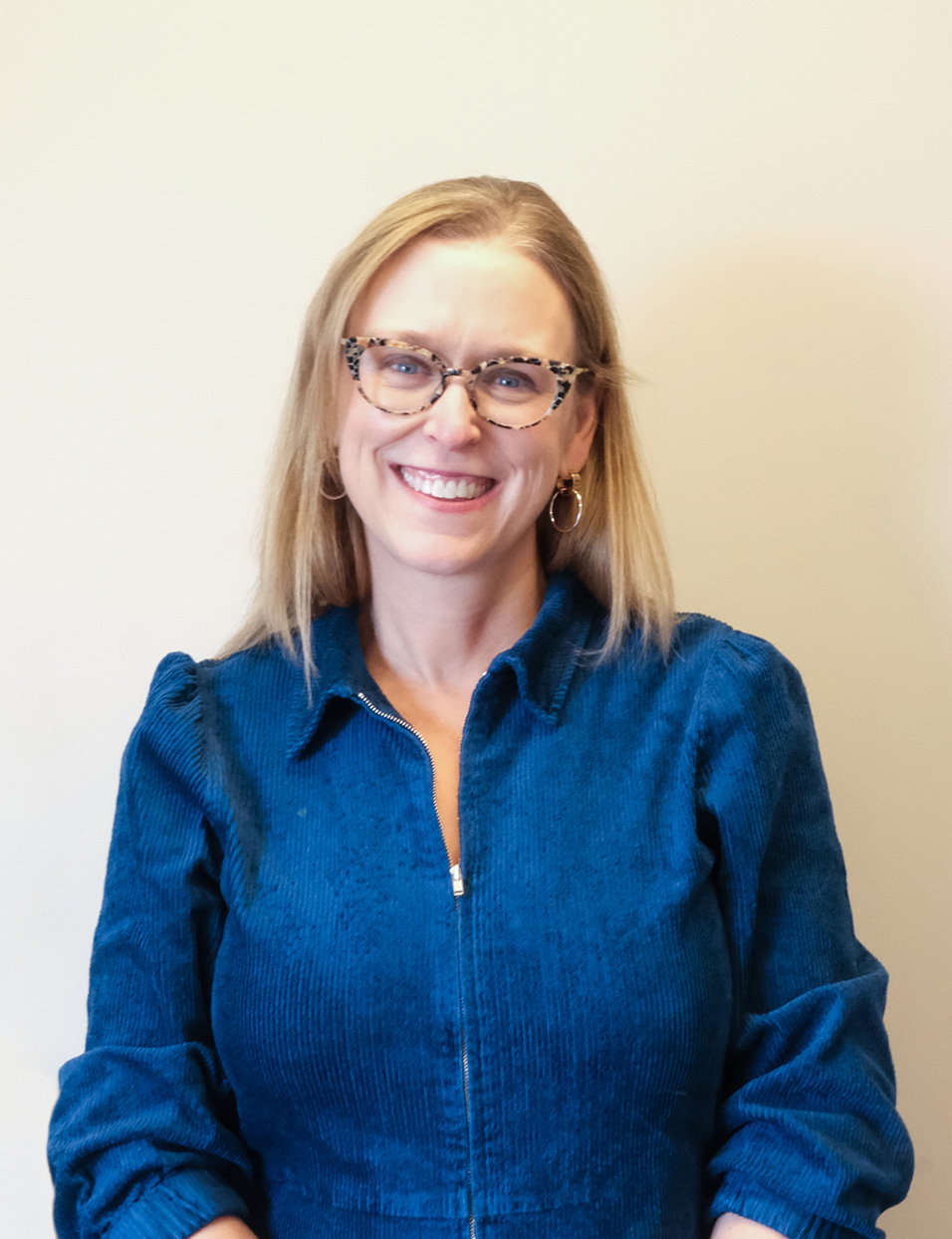
A Saskatchewan-trained family physician
Dr. Fenton’s connection to Saskatchewan runs deep. Born in Shaunavon and raised in Saskatoon, she completed her K–12 education, undergraduate degree, medical school, and family medicine residency entirely in the province. She began practicing family medicine in 2002 and joined City Centre Family Physicians, a clinic that would become foundational to her professional identity.
“I didn’t initially intend to be a family doctor,” she said. “But the people I trained with completely changed my perspective.”
Those early mentors, including Dr. Anne Doig, Dr. Tom Gabruch, Dr. Don Stefiuk, Dr. Steven Goluboff, and Dr. Florence Wardell to name a few, showed her a version of family medicine that extended beyond exam rooms. Leadership, teaching, and contributing to the broader health system were simply part of how they practiced.
Today, Dr. Fenton is a senior partner at City Centre Family Physicians, where she helped guide a major clinic transformation. The practice grew from 12 physicians to 27, and she was involved in developing a new facility. This experience deepened her interest in systems thinking, organizational design, and efficiency.
“I love seeing a system where the flow makes sense, people are supported, and patients are well cared for,” she said. “That really speaks to me.”
From obstetrics to system leadership
Alongside comprehensive family medicine, Dr. Fenton practiced obstetrics for many years and proudly delivered over 1,000 babies. Although an injury eventually led her to step away from obstetrical care, the transition opened the door to new leadership opportunities within the SHA.
She began with smaller leadership roles before becoming Co-Area Department Lead for Family Medicine in Saskatoon, a position she held for several years alongside her clinical work. Through this role, she gained firsthand insight into how the health system functions and where it struggles.
“I came in very naively at first, thinking I could easily fix everything myself,” she said. “What I learned instead was how complex the system is, and how much listening and collaboration it takes to make meaningful change.”
One of the most significant outcomes of that work was the development of the Bridge Clinic in Saskatoon, an SHA-run clinic designed to serve patients without a regular family physician.
“There are about 55,000 unattached patients in Saskatoon alone,” Dr. Fenton explained. “Across Saskatchewan, that number is closer to 200,000.”
While the clinic cannot meet the needs of everyone, it provides a temporary medical home for patients with complex medical needs, helping relieve pressure on emergency departments and walk-in clinics while improving access to coordinated care.
“The Bridge Clinic really opened my eyes to what’s possible, as well as how complex and rewarding it can be to build something new within a large organization,” she said.
Advancing primary care at a provincial level
Dr. Fenton’s new role as Provincial Physician Lead allows her to build on that experience, working at a system-wide level to support primary healthcare across Saskatchewan. She continues to practice clinically two days a week at City Centre Family Physicians, with the remainder of her time focused on provincial leadership.
“My biggest goal is to make longitudinal family medicine an attractive and sustainable career choice,” she said. “While the one-on-one relationship with patients is still incredibly rewarding, the pressures around the work have changed.”
She believes those pressures, particularly administrative burden, have made family medicine appear daunting to medical students and new graduates. Addressing that reality is central to her work.
“We need to modernize how family medicine is practiced,” she said. “Not by throwing everything out, but by building on what already works.”
Dr. Fenton prefers the term primary care advancement over reform, emphasizing that meaningful progress must reduce, not add to, the workload faced by physicians and primary care nurse practitioners.
“Any change we introduce has to be administratively neutral at minimum,” she said. “Ideally, it should actually make things easier.”

Why primary healthcare matters
From Dr. Fenton’s perspective, strong primary healthcare is the foundation of a healthy population.
“When people don’t have access to primary care, they get sicker,” she said. “They use acute care differently, and often in ways that aren’t sustainable.”
She points to preventative care, chronic disease management, and mental health support as areas where longitudinal family medicine makes a real difference. Without a consistent provider, many patients fall through the cracks, particularly those navigating complex or long-term health challenges.
Supporting physicians at every stage
As she looks ahead, Dr. Fenton is focused not only on system design, but on the people working within it. She emphasizes the importance of mentorship, realistic practice parameters, and recognizing that physicians’ capacity changes over time.
“What you can do in your 30s isn’t the same as what you can do in your 40s or 50s,” she said. “We need a system that adapts to that.”
Her advice to new family physicians is simple but intentional: don’t be afraid of longitudinal care. Set clear boundaries from the start.
“Don’t be afraid to start a longitudinal care practice”, she said. “Find a supportive group, lean on your colleagues, and trust that this work is worth it.”
At the heart of it all: patients
Despite her expanding leadership responsibilities, Dr. Fenton is clear about what continues to motivate her.
“The patients, by far,” she said. “The relationships you build over time are a privilege and an honour. There’s nothing else like it.”
As Saskatchewan continues to navigate healthcare pressures and opportunities, Dr. Fenton’s work connects clinic-level realities with provincial system design. It is grounded in the belief that strong primary care benefits everyone.